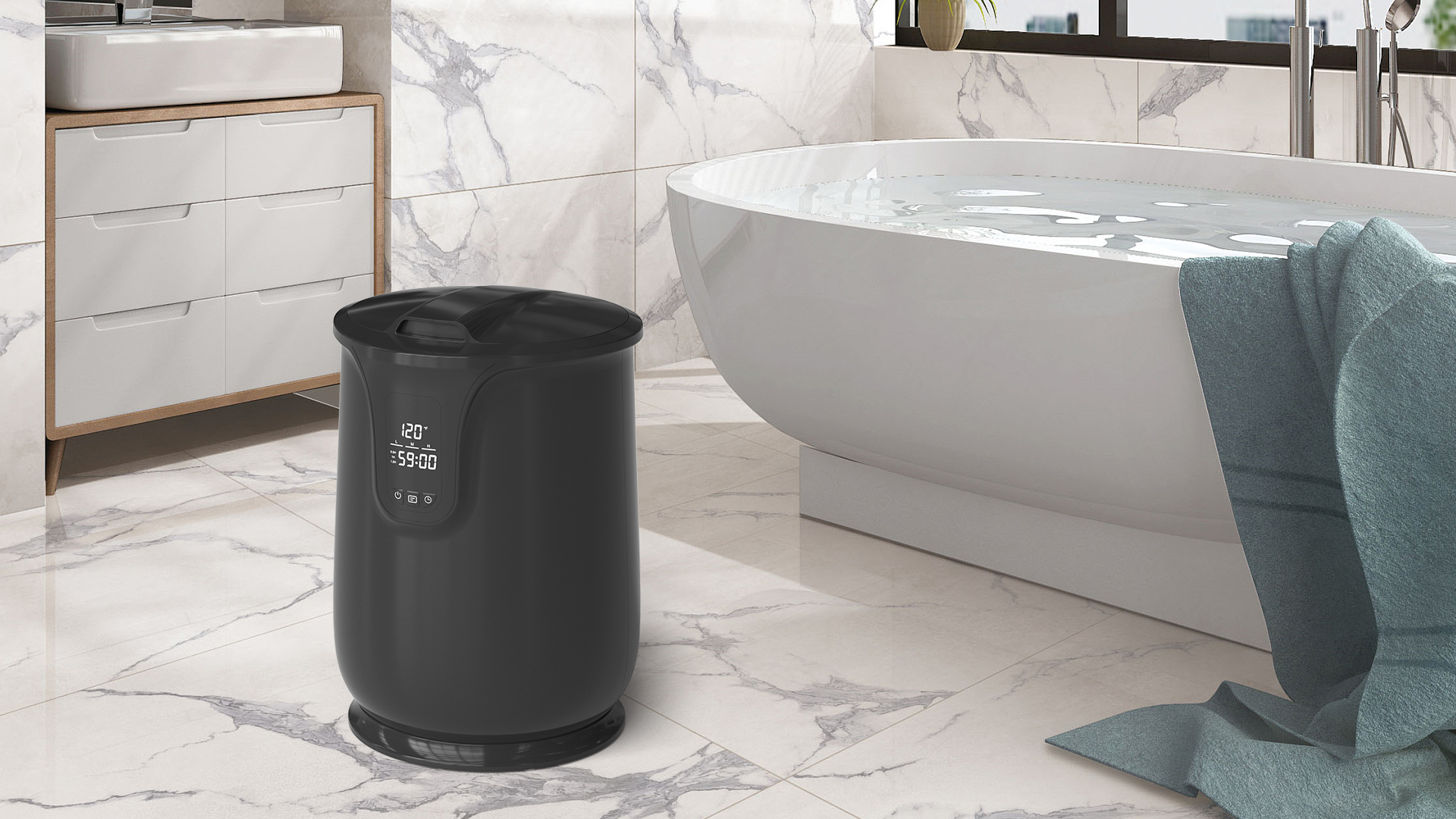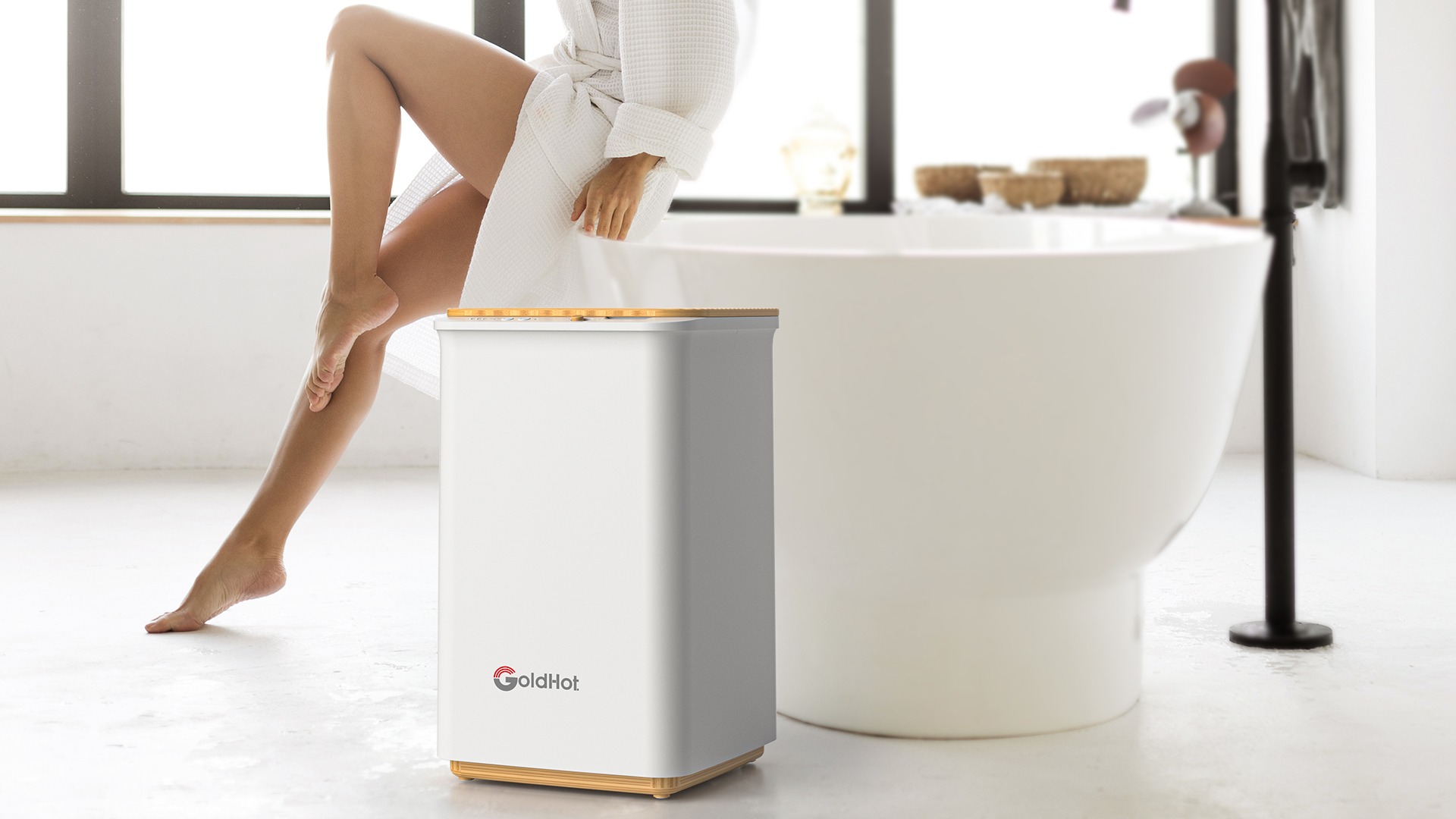
In the contemporary home, the bathroom serves as a sanctuary for hygiene and relaxation. However, beneath the aesthetic appeal of porcelain and tile lies a persistent biological challenge. Due to high humidity, limited ventilation, and frequent water usage, the bathroom remains the primary breeding ground for microorganisms that threaten both respiratory health and skin integrity.
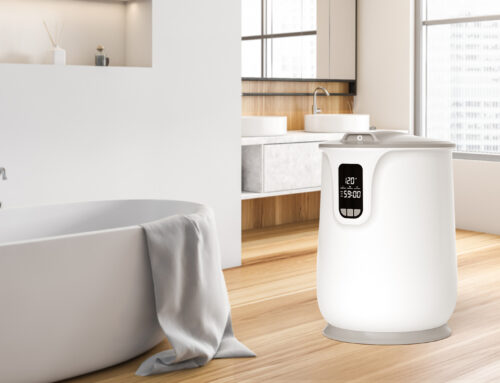
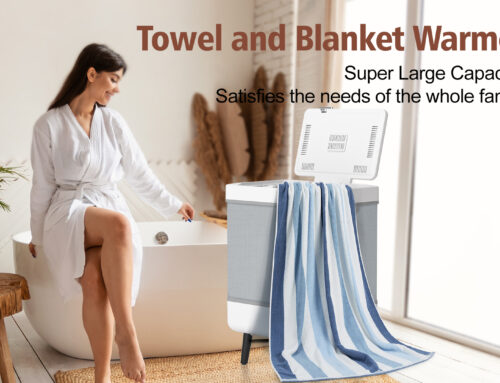
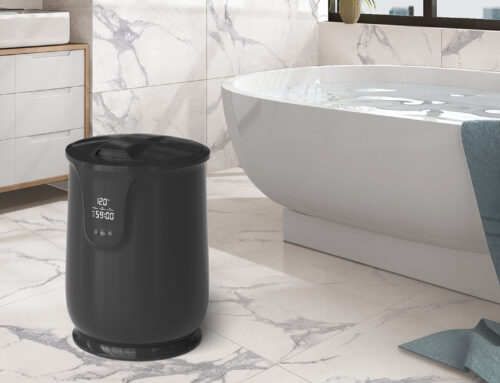
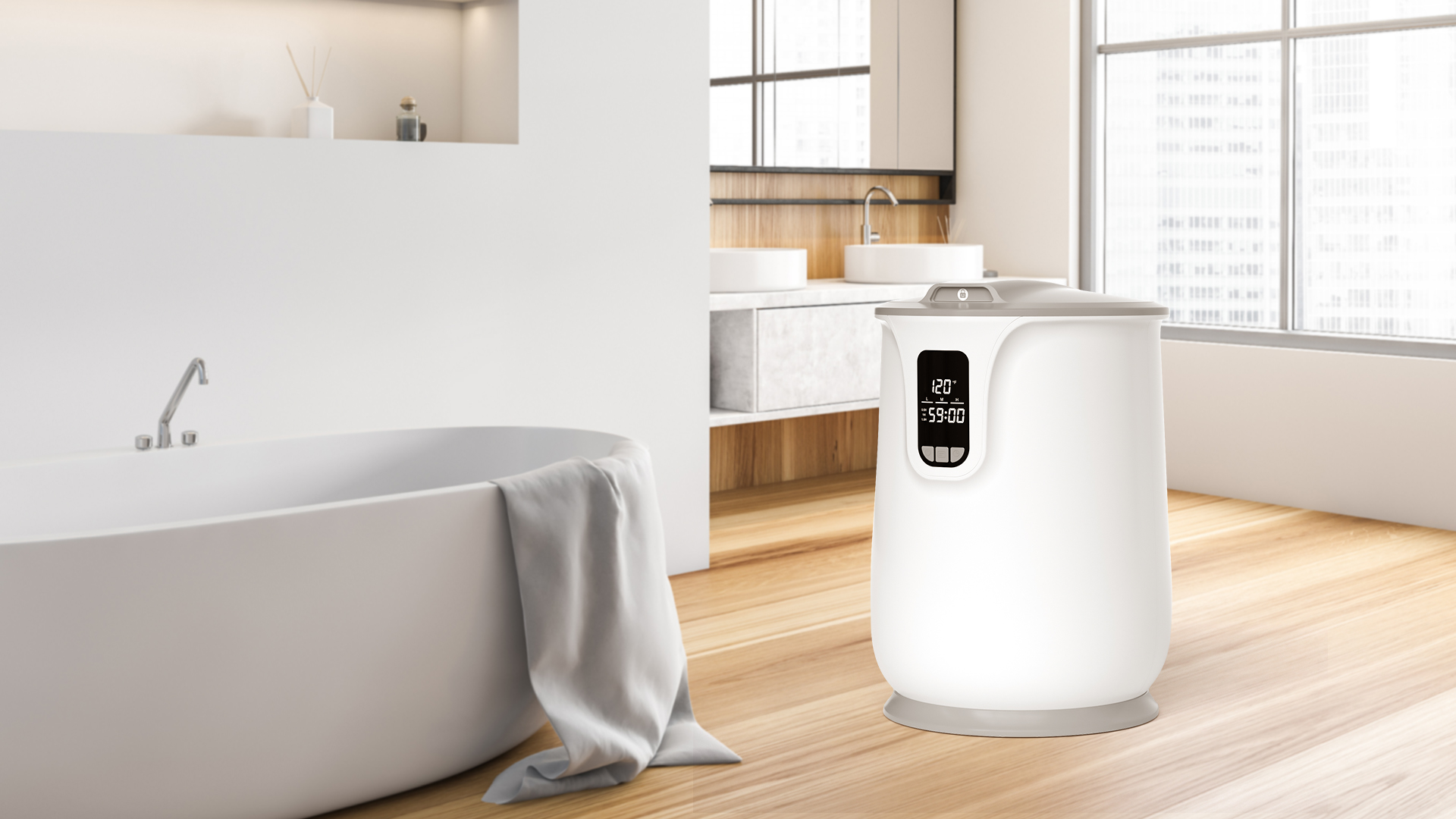
A damp towel is not merely a comfort issue; it is a biological hazard. This is where the freestanding towel warmer transcends its reputation as a luxury item. By functioning as a piece of “active health management” infrastructure, this device utilizes precision thermal engineering to create an environment where mold and bacteria cannot survive.
1. The Science of the “Microbial Incubator.”
Most homeowners underestimate the speed at which pathogens colonize damp fabric. When you use a towel, it traps moisture, dead skin cells, and organic oils. In a standard humid bathroom, this combination creates a perfect “culture medium.”
The Rapid Proliferation of Pathogens
Research indicates that a damp towel hanging in a room-temperature bathroom can harbor millions of colony-forming units (CFUs) of Staphylococcus aureus and Escherichia coli (E. coli) within just 48 hours. These bacteria thrive in the 20°C to 40°C range. Without an external heat source to accelerate drying, the towel remains in this “danger zone” for the majority of the day.
The Mold and Spore Cycle
Mold does not just stay on the towel. As fungi mature in the damp fibers, they release microscopic spores into the air. For individuals with asthma, allergies, or sensitive skin, these airborne spores act as persistent triggers, leading to chronic discomfort that many fail to link back to their “clean” towels.
2. 55-60°C: The Physical Barrier to Microbial Growth
The effectiveness of a freestanding towel warmer lies in its ability to manipulate the physical laws of evaporation and thermal denaturation. To effectively inhibit life at a microscopic level, the device must maintain a specific temperature threshold.
The Thermal Equilibrium
Engineers have identified 55-60°C (131-140°F) as the “Golden Range” for domestic fabric hygiene. Our freestanding units are calibrated to reach and sustain this precise temperature for several reasons:
-
Microbial Stasis: Most common household bacteria begin to break down or lose the ability to replicate when exposed to sustained temperatures above 50°C.
-
Vapor Pressure Acceleration: By heating the water molecules trapped within the cotton fibers, the device significantly increases the vapor pressure. This causes moisture to escape into the air far faster than natural evaporation allows, stripping bacteria of the hydration they need to survive.
-
Uniform Heat Distribution: High-quality freestanding warmers utilize internal heating elements (such as specialized dry heating cables) that ensure every bar of the rack maintains an identical temperature, leaving no “cold spots” for mold to take hold.
3. The Freestanding Advantage: Versatile Health Protection
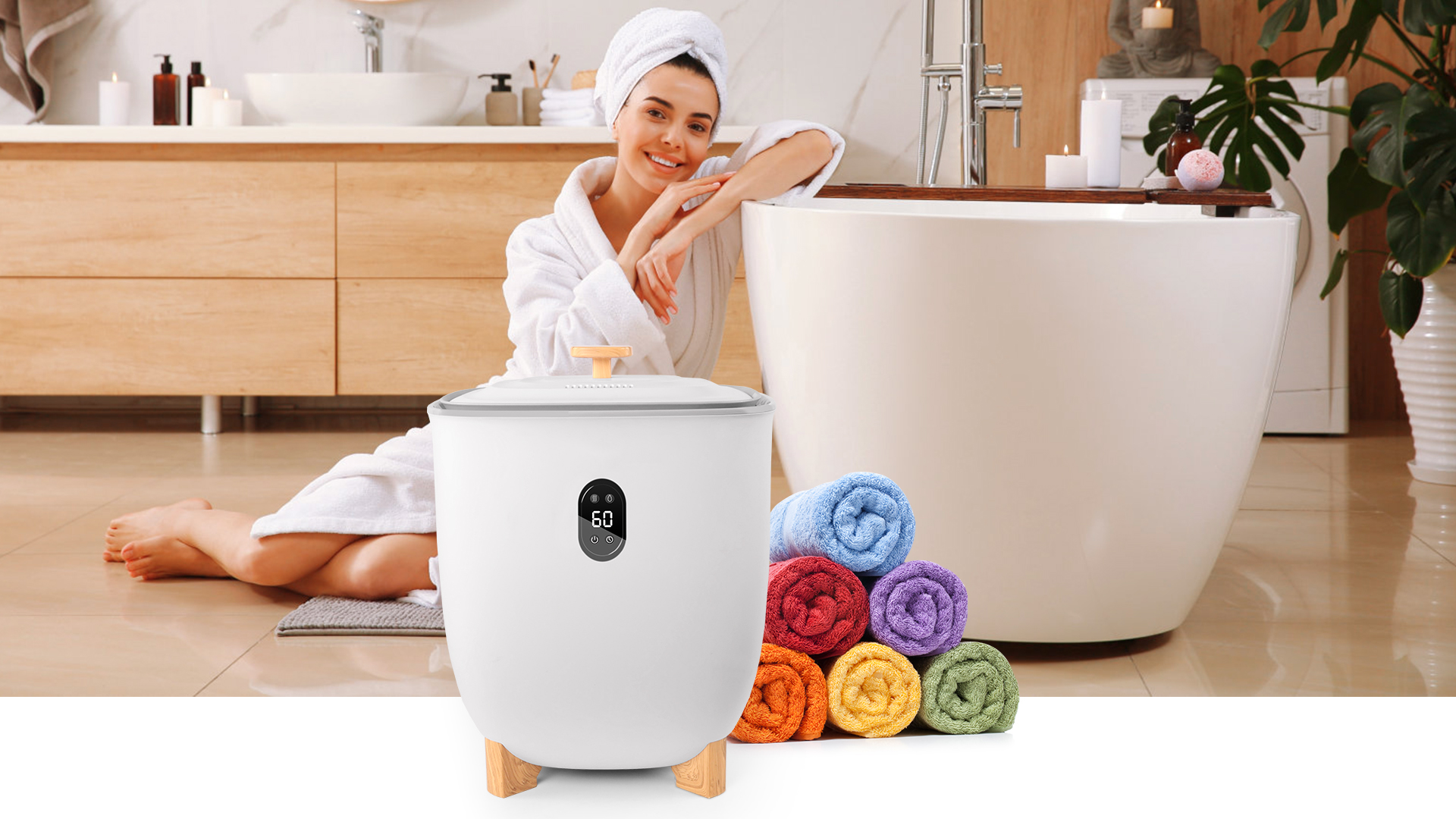
While wall-mounted units are fixed in place, the freestanding design offers a unique strategic advantage in the context of proactive health management.
Mobility as a Hygiene Strategy
Microbial hotspots in a bathroom change based on seasonal humidity and ventilation patterns. A freestanding towel warmer allows the user to position the heat source exactly where it is needed most. Whether placed near a poorly ventilated corner to reduce ambient dampness or moved closer to a window during humid months, the portability of the unit ensures that the “dry zone” is always optimized.
Non-Invasive Integration
Because these units require no wall drilling or complex electrical remodeling, they can be introduced into any bathroom immediately. This accessibility makes it easier for families to upgrade their home health standards without the barriers of a full renovation.
4. From Passive Cleaning to Active Management
Traditionally, bathroom hygiene has been reactive. We wash towels after they begin to smell musty. However, that “musty” odor is actually the chemical byproduct of advanced bacterial metabolism.
Breaking the Cycle
By using a freestanding towel warmer, you transition to Proactive Health Management.
-
Prevention Over Cure: Instead of washing away bacteria that have already grown, you prevent the growth from ever occurring.
-
Fabric Longevity: Frequent high-temperature machine washing and tumble drying degrade cotton fibers over time. A towel warmer keeps towels fresh for longer periods, reducing the need for aggressive chemical laundering and extending the life of your linens.
-
Environmental Micro-Climate: A running towel warmer acts as a secondary dehumidifier. The constant, gentle heat helps lower the relative humidity of the immediate bathroom area, protecting grout, paint, and mirrors from fungal buildup.
5. Engineering Excellence: Safety and Efficiency
A device designed for the bathroom must balance high thermal output with rigorous safety standards. The modern freestanding towel warmer is a marvel of efficiency.
-
Safety Ratings: Look for units with an IPX4 waterproof rating, ensuring the heating elements are protected from splashes and steam.
-
Intelligent Thermostats: Advanced models include sensors that prevent overheating, maintaining the 55-60°C range with surgical precision while minimizing energy consumption.
-
Low Energy Footprint: Despite its powerful drying capabilities, a freestanding warmer often consumes less power than a traditional desktop computer, making it a sustainable addition to the modern home.
6. Beyond the Towel: A Multipurpose Sanitizer
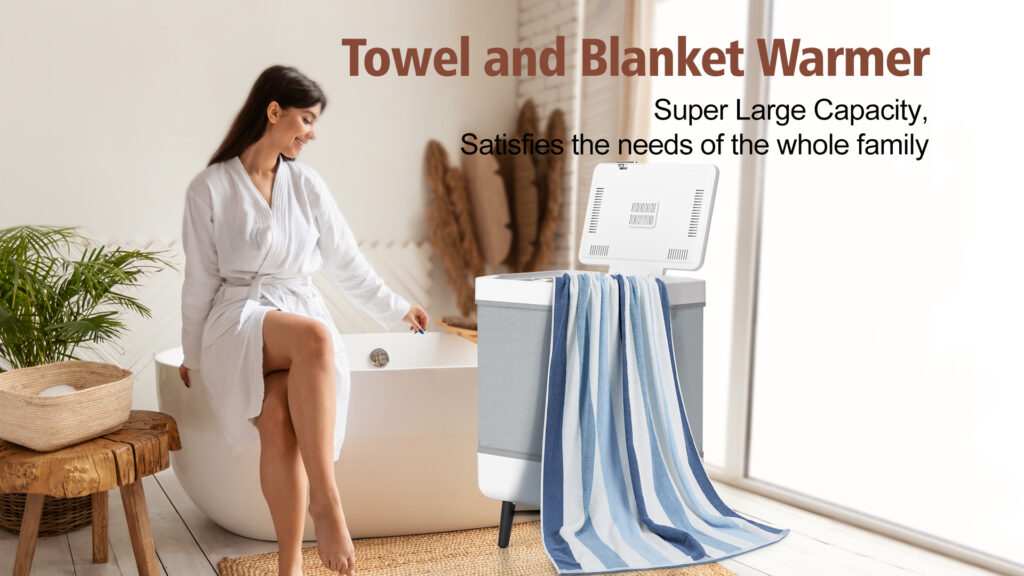
The utility of the 55-60°C heating rack extends beyond the standard bath towel. It serves as a comprehensive drying station for various high-risk items:
-
Bath Mats: These are often the most contaminated items in a bathroom. A freestanding rack can easily accommodate a folded mat, preventing the growth of fungi responsible for Athlete’s Foot.
-
Delicate Linens: High-end silk or synthetic undergarments that cannot endure a tumble dryer can be safely dried and sanitized on the warmer.
-
Baby Clothing: Ensure that an infant’s sensitive skin is only ever in contact with bone-dry, thermally treated fabric.
7. Conclusion: Investing in Your Home’s Biological Shield
The bathroom is the frontline of personal health. While we often focus on soaps and disinfectants, the physical state of our environment is equally important. The freestanding towel warmer is no longer a mere “warmth provider”—it is a sophisticated tool designed to disrupt the lifecycle of mold and bacteria.
By maintaining a consistent, scientifically-backed temperature of 55-60°C, these devices transform a damp, high-risk environment into a dry, sanitized sanctuary. In the pursuit of a healthy home, the dry towel is your silent, invisible guardian.
FAQ: Professional Insights into Towel Hygiene
Q: Is 60°C safe for all towel materials? A: Yes. Most high-quality cotton and microfiber towels are designed to withstand temperatures much higher than 60°C. This temperature is hot enough to inhibit microbes but gentle enough to preserve the softness of the fibers.
Q: Should I leave my freestanding warmer on all day? A: To maintain a mold-free environment, it is highly recommended to leave the unit on during the hours of highest bathroom usage. Many users choose to run the unit for 4-6 hours after a shower to ensure deep-core drying.