For decades, the modern kitchen has quietly functioned as a waste-export terminal. Every day, households generate vegetable peels, leftover rice, fruit scraps, coffee grounds, and expired food. These materials move quickly from countertop to trash bag, then disappear. Yet out of sight does not mean out of impact.
Behind every discarded kilogram of kitchen waste lies a hidden carbon trail—collection trucks, municipal treatment facilities, landfill methane emissions, and energy-intensive processing. What appears to be a simple act of disposal actually reinforces a linear consumption model: buy, use, discard.
However, a new paradigm now challenges this assumption. With the emergence of advanced food waste disposal machines, the kitchen no longer needs to serve as a waste station. Instead, it can evolve into a resource factory, capable of transforming organic refuse into value, reducing household carbon emissions, and participating in a micro-scale circular economy.
This article explores how GoldHot’s household food waste disposal machines reposition the kitchen within the framework of family-level carbon cycling, shifting waste from a negative asset into a regenerative resource.
The Hidden Carbon Cost of “Throwing It Away”
Most households underestimate the environmental impact of food waste because the disposal process feels effortless. Once trash leaves the home, responsibility seems transferred elsewhere. In reality, food waste remains one of the most carbon-intensive categories of municipal solid waste.
When organic waste enters landfills, it decomposes anaerobically and releases methane, a greenhouse gas with a warming potential far greater than carbon dioxide. Even centralized composting and incineration systems require transportation, sorting, energy input, and infrastructure maintenance.
From a systems perspective, the kitchen becomes the first node in a carbon-expanding chain. Each kilogram of discarded food amplifies emissions through logistics and processing. This linear structure places constant pressure on municipal systems while offering households no visibility into their environmental footprint.
Reframing the Kitchen Within a Circular Economy
A circular economy prioritizes reuse, regeneration, and localized loops over extraction and disposal. While industrial-scale circular systems attract attention, the household remains an overlooked but powerful unit of change.
The kitchen sits at the intersection of consumption, waste generation, and potential regeneration. With the right technology, it can operate as a micro circular economy hub:
-
Organic waste stays within the household loop
-
Transportation-related emissions decline
-
Resources regenerate instead of disappearing
-
Behavioral awareness increases through visibility
This transformation begins with food waste disposal machines designed for household use, not as simple grinders, but as intelligent processors within a closed-loop system.

What Modern Food Waste Disposal Machines Actually Do
Traditional perceptions reduce food waste disposers to noisy drain attachments. However, modern household food waste disposal machines operate on a fundamentally different principle.
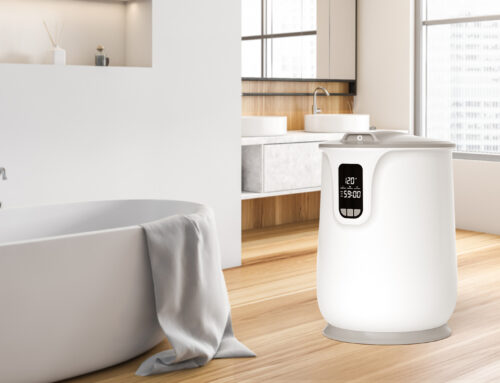
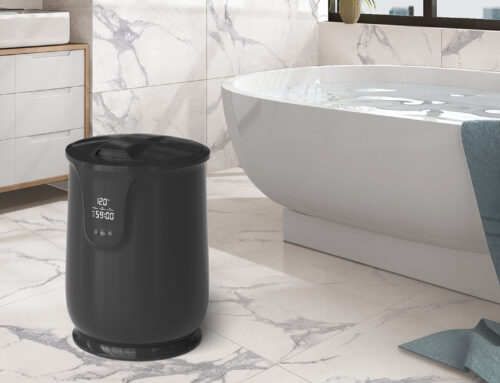
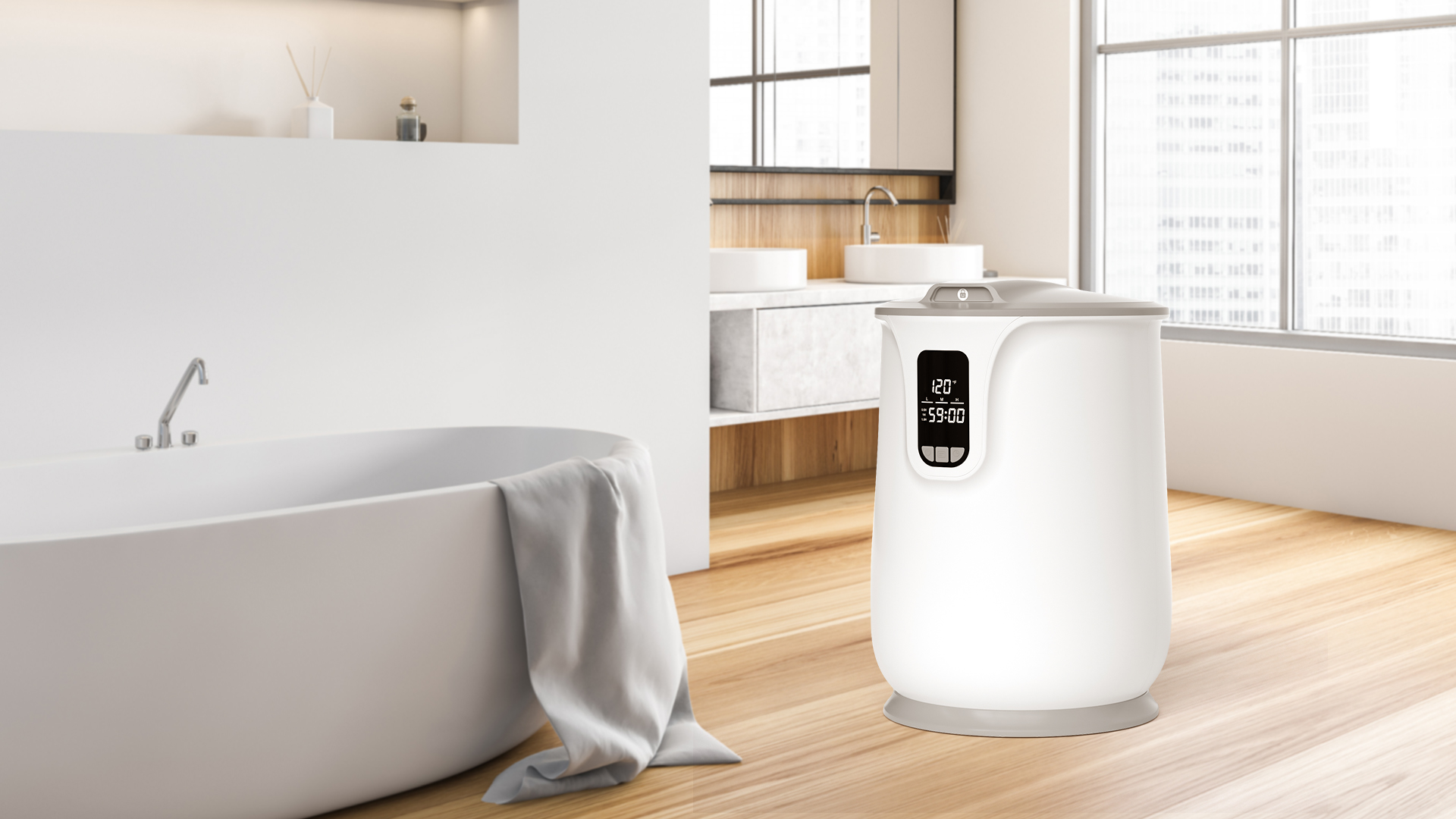
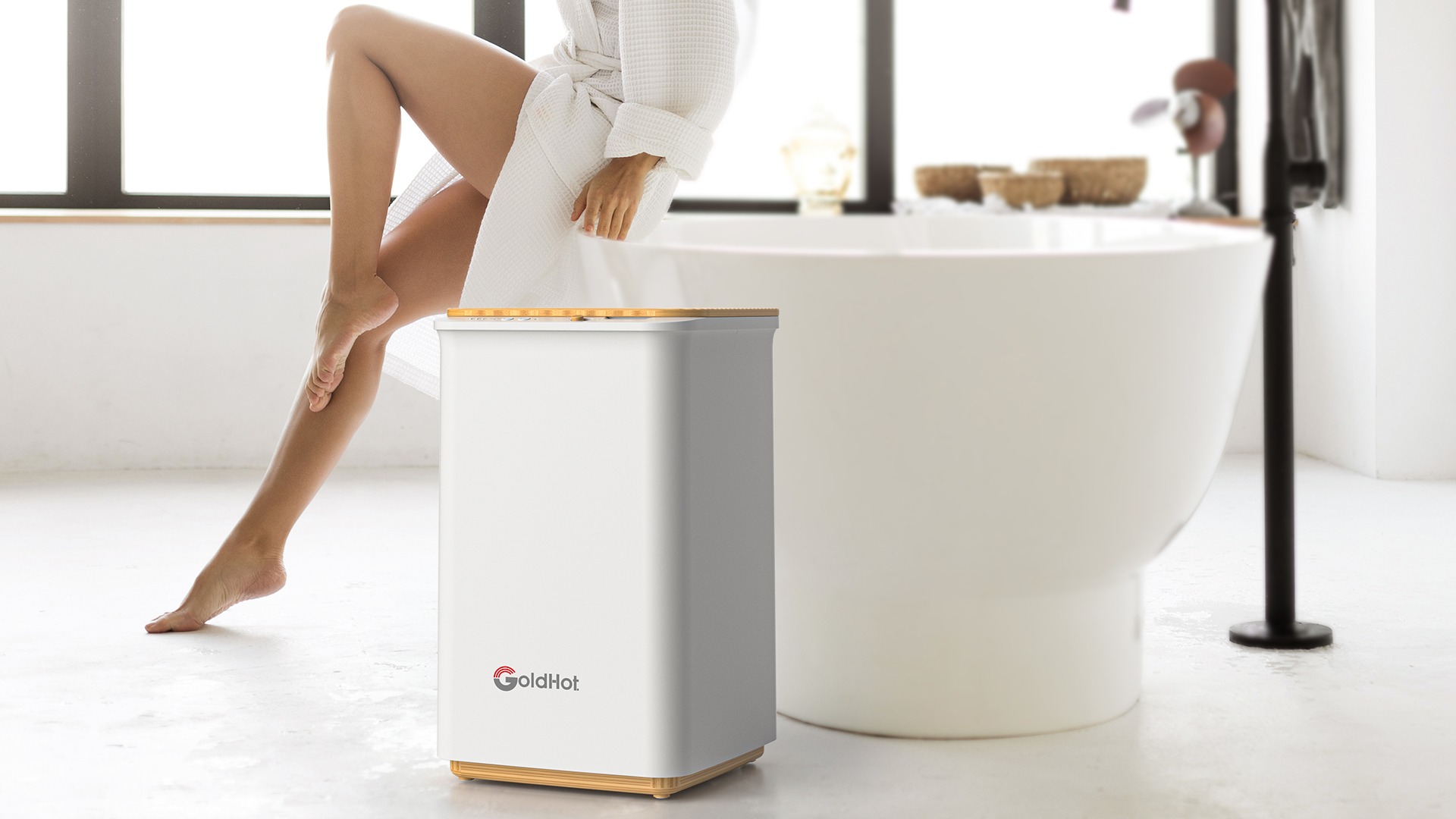
GoldHot designs its systems to process, dehydrate, sterilize, and reduce kitchen waste at the source. Instead of exporting raw organic matter, the machine transforms scraps into stable, low-odor output suitable for reuse or safe disposal.
The core functions include:
-
Volume reduction: Shrinking waste mass by up to 90%
-
Moisture removal: Preventing microbial activity and odor
-
Carbon stabilization: Slowing decomposition-related emissions
-
Resource conversion: Producing material that supports soil enrichment or composting
Through this process, the kitchen shifts from waste generation to material transformation.
From Negative Asset to Positive Resource
In traditional accounting terms, food waste represents a negative asset. It incurs removal costs, contributes to pollution, and offers no return. A food waste disposal machine reverses this equation.
Processed kitchen waste becomes:
-
A soil amendment for balcony gardens
-
A compost input for home or community systems
-
A reduced, stabilized waste stream with lower disposal frequency
Instead of paying environmental and logistical costs, households gain functional outputs. This transition reframes waste as stored potential, waiting to re-enter a productive cycle.
Visualizing the Household Carbon Loop
To understand this transformation, consider a simplified carbon flow comparison.
Linear Kitchen Model
Food purchase → Cooking → Waste bin → Collection → Transport → Treatment → Emissions
Circular Kitchen Model with Food Waste Disposal Machine
Food purchase → Cooking → Processor → Stabilized output → Home reuse or low-impact disposal
In the second model, the carbon loop tightens. Energy expenditure shifts from transport and large-scale processing to localized, controlled transformation. Emissions decrease because organic material avoids landfill decomposition and long-distance logistics.
GoldHot emphasizes this visualization in product education because awareness drives adoption. When users see their kitchen as part of a carbon system, behavior naturally adapts.
Reducing Pressure on Municipal Waste Systems
Household adoption of food waste disposal machines creates a distributed impact. Each unit reduces the load placed on city infrastructure. When scaled across neighborhoods, this effect becomes significant.
Municipal benefits include:
-
Lower collection frequency
-
Reduced organic waste volume
-
Decreased methane generation
-
Extended landfill lifespan
Instead of relying solely on centralized solutions, cities gain resilience through decentralized household participation. Food waste disposal machines act as silent collaborators in urban sustainability strategies.
Energy Use vs. Carbon Savings: A Balanced Perspective
Critics often question whether household processors consume too much electricity. This concern deserves a transparent answer.
Modern food waste disposal machines use optimized heating and grinding cycles that consume minimal energy compared to the carbon cost of transportation, industrial composting, or landfill management. When evaluated across the entire lifecycle, the net carbon balance favors localized processing.
GoldHot designs machines to operate efficiently within typical household energy patterns, often during off-peak hours. As renewable energy adoption grows, the carbon intensity of household electricity continues to decline, further strengthening the case for at-home processing.

Behavioral Change Through Tangible Feedback
One overlooked advantage of food waste disposal machines lies in behavioral psychology. When waste disappears into a bag, households remain disconnected from quantity and frequency. When a processor requires interaction, awareness increases.
Users begin to notice:
-
How much food do they discard
-
Which ingredients generate the most waste
-
How meal planning affects output volume
This feedback loop encourages smarter consumption habits, reducing waste at the source and reinforcing sustainable behavior beyond the machine itself.
Balcony Gardens and Micro Food Cycles
Urban living often limits access to traditional composting. However, balconies, rooftops, and small planters create new opportunities. Stabilized output from food waste disposal machines integrates seamlessly into micro gardening systems.
Households can:
-
Enrich potting soil
-
Support herb and vegetable growth
-
Close the loop between the kitchen and the garden
This connection transforms abstract sustainability into a visible, rewarding cycle. Food scraps nourish plants, plants return fresh produce, and the kitchen regains agency within the ecosystem.
Hygiene, Safety, and Daily Practicality
A circular kitchen must remain practical. GoldHot designs food waste disposal machines to meet daily household expectations:
-
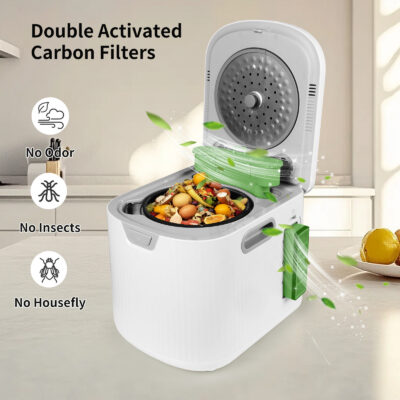
Enclosed processing prevents pests
-
High-temperature cycles ensure sanitation
-
Odor control systems maintain indoor comfort
-
Compact footprints fit modern kitchens
These features ensure that sustainability does not compete with convenience. Instead, environmental responsibility becomes embedded in routine life.
 Food Waste Disposal Machines as Carbon Literacy Tools
Beyond processing waste, these machines educate users about carbon flow. Each cycle reinforces the idea that materials do not vanish—they transform. Over time, households develop carbon literacy, understanding how small actions aggregate into systemic impact.
This awareness aligns with global sustainability goals while remaining grounded in daily experience.
From Individual Kitchens to Collective Impact
When thousands of households adopt food waste disposal machines, the effect multiplies. Local governments face reduced waste volumes. Communities experience lower emissions. Infrastructure operates more efficiently.
This distributed model demonstrates that systemic change does not always require massive infrastructure projects. Sometimes, it begins with a single appliance on a kitchen counter.
Rethinking Value in the Modern Kitchen
The traditional kitchen is optimized for speed and convenience. The future kitchen optimizes for resilience, awareness, and regeneration. Food waste disposal machines symbolize this shift.
They do not simply manage waste. They redefine value:
-
Waste becomes material
-
Disposal becomes transformation
-
Consumption becomes participation
This mindset shift supports broader transitions toward sustainable living.
Conclusion: Choosing the Role of Your Kitchen
Every kitchen answers a fundamental question each day: does it export problems, or does it generate solutions?
With the integration of food waste disposal machines, households gain the power to choose the latter. By activating a household carbon cycle loop, the kitchen transforms into a resource factory—one that reduces emissions, supports local reuse, and contributes quietly to environmental resilience.
GoldHot believes sustainability should begin where daily life happens most. When technology meets thoughtful design, even the smallest space can drive meaningful change.
The future of circular living does not start in distant facilities. It starts at home, one kitchen at a time.