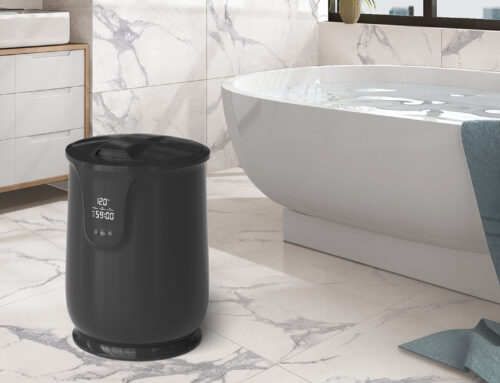
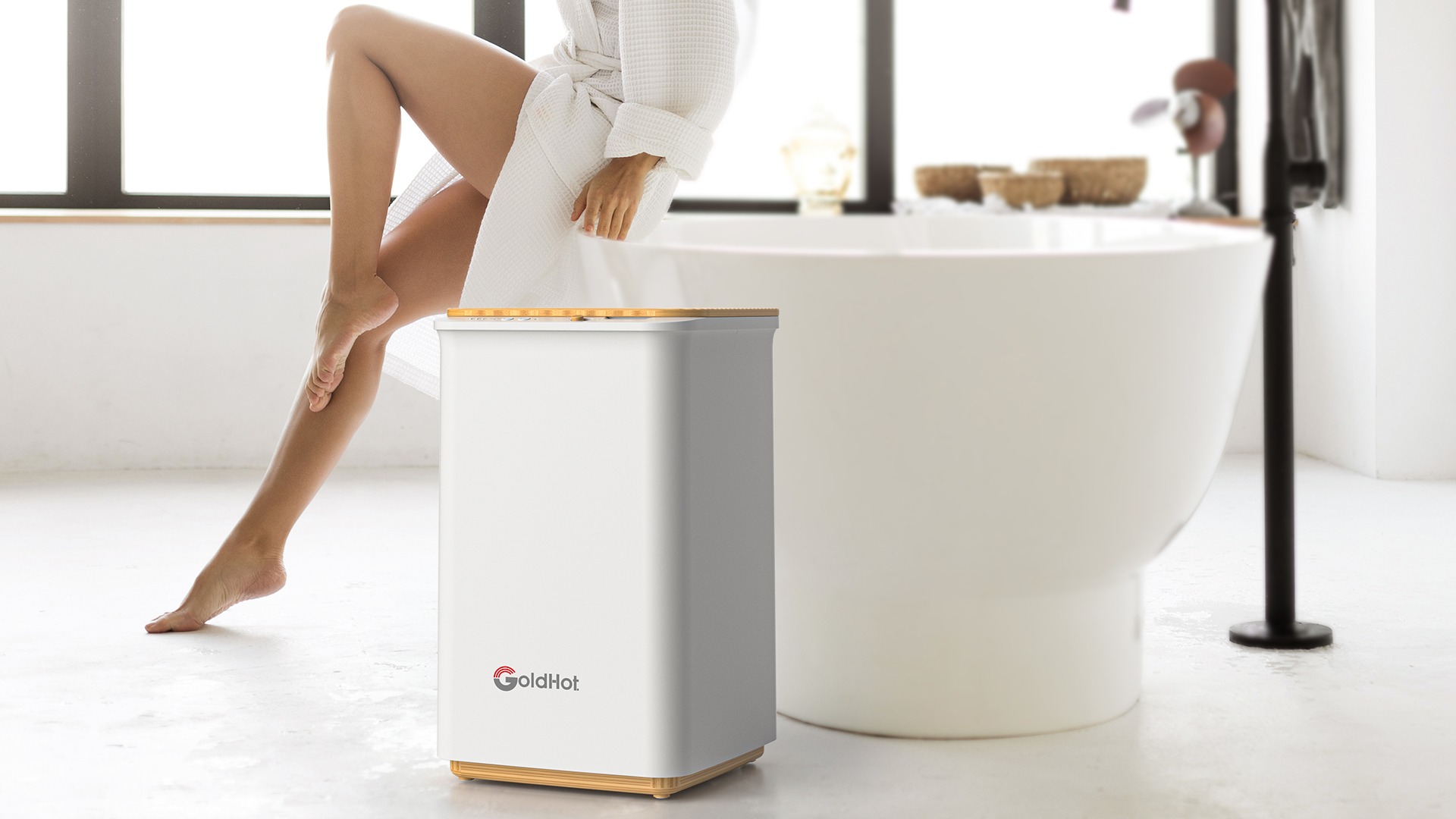
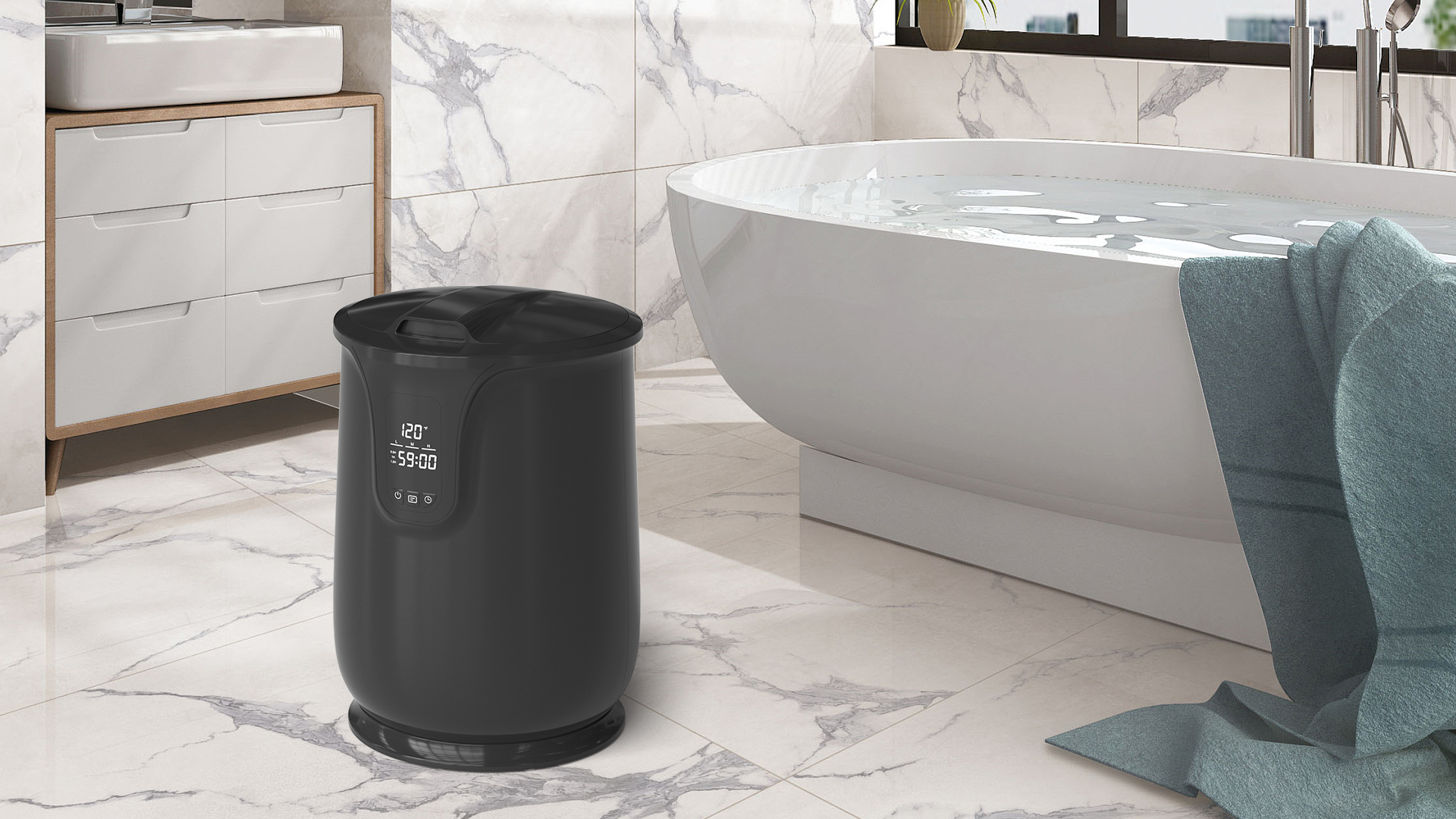
Professional environments demand strict hygiene standards. Whether the setting involves personal care, wellness services, clinical treatments, or hospitality operations, clients expect clean tools, safe procedures, and consistent sanitation. Because of these expectations, many facilities adopt advanced devices to support hygiene routines. Among these devices, the fast-thermal towel warmer plays a significant role. Although its value is often underestimated, its impact on hygiene is deeper than most operators realize. Therefore, understanding the science and operational logic behind the fast-thermal towel warmer is essential for businesses that prioritize professional sanitation.
Rapid Heating as a Critical Sanitation Mechanism
Modern towel warmers rely on fast-thermal engineering that raises the temperature within minutes. This rapid heating is not merely a convenience feature. Instead, it provides a direct hygiene benefit. When towels absorb heat quickly, microbial activity reduces at an accelerated rate. Many bacteria struggle to survive rapid temperature changes. Because of this biological behavior, fast-thermal towel warmers create a hostile environment for microbial growth.
Furthermore, towels stored at stable high temperatures maintain sanitary readiness for extended periods. This advantage supports high-traffic professional spaces such as spas, salons, therapy clinics, and hospitality venues. Traditional warming systems require longer heating cycles. During those delays, towels may remain in temperature ranges that allow bacteria to multiply. By contrast, rapid systems minimize this risk and support consistent hygiene.
Temperature Stability and Hygiene Control
Maintaining stable temperature levels is essential for hygiene. Professional standards require that heated towels remain within a specific thermal range. When temperatures fluctuate, microbial resilience increases. Fast-thermal towel warmers maintain precise heat levels, even when the unit undergoes frequent opening during busy routines.
Because the internal structure uses advanced insulation and efficient thermal distribution, towels warm evenly. As a result, the likelihood of cold spots decreases. Cold spots can create moisture pockets where microbes survive. Therefore, evenly maintained heat reduces contamination risks.
Additionally, stable heat supports staff workflows. Workers do not need to recheck or reheat towels repeatedly. This consistency enhances hygiene by reducing unnecessary manual handling. Fewer touchpoints equal fewer contamination pathways.

Moisture Reduction and Microbial Protection
Moisture is a key factor in bacterial growth. Even washed towels may retain small amounts of moisture deep within fibers. When these towels rest in low-temperature environments, bacteria multiply rapidly. However, the fast-thermal towel warmer supports moisture reduction by encouraging quick evaporation. Through consistent heat, residual moisture escapes from the fibers more effectively.
Consequently, towels feel fresher and more hygienic. They also develop a cleaner scent, which influences customer perception. Many professional spaces rely on sensory cues to shape client trust. Warm, dry, and fresh towels help create a clean environment that feels safe.
Moreover, reduced moisture also prevents mold formation. Mold grows in warm but damp environments. Since fast-thermal towel warmers limit dampness, they disrupt mold development. This safeguard is especially valuable in humid climates or poorly ventilated service rooms.
Supporting Cross-Contamination Prevention
Cross-contamination is a serious concern in professional environments. Towels often come in contact with skin, oils, cosmetics, or treatment products. Because of this exposure, proper storage becomes essential. The fast-thermal towel warmer provides an enclosed environment that isolates clean towels from outside contaminants. This isolation reduces exposure to airborne particles, skin cells, and environmental bacteria.
Additionally, rapid heating ensures that new batches of towels maintain hygiene even during peak service hours. In spaces that serve multiple clients in rapid succession, hygiene procedures must match service speed. Traditional warming devices struggle to keep up with demand. They leave towels partially warm or under-heated. These conditions undermine sanitation consistency.
Fast-thermal towel warmers solve this problem by delivering steady performance even under continuous operation. Consequently, professional spaces avoid using towels that fail to meet hygiene standards.
Enhancing Client Trust Through Visible Hygiene Efforts
Clients observe every detail in professional settings. They assess how tools are stored, how staff handle items, and how clean the environment appears. The fast-thermal towel warmer provides visible reassurance. Its clean design, closed lid, and controlled heating system communicate professionalism.
When clients see a dedicated heating device that maintains warm towels safely, they perceive better hygiene. Although perception is subjective, it influences overall satisfaction. Therefore, visible hygiene efforts contribute to business reputation. In competitive industries such as spas, salons, and wellness services, these impressions matter.
Additionally, the use of fast-thermal towel warmers helps businesses meet regulations. Many regions enforce strict sanitation guidelines. These guidelines involve temperature control, material handling, and hygienic preparation procedures. Since the device supports these requirements, it aligns operational practices with industry expectations.
Energy Efficiency and Sustainable Hygiene Practices
While hygiene remains the primary focus, energy efficiency also matters. Many professional spaces operate equipment continuously. Therefore, efficient power usage contributes to operational sustainability. Fast-thermal towel warmers use advanced heating elements that reach target temperatures quickly. This rapid transition reduces energy waste.
Moreover, once the unit reaches its desired temperature, it enters a maintenance mode. During this phase, the device uses minimal energy to sustain heat. This efficiency reduces environmental impact while supporting professional hygiene.
Because sustainability now plays an important role in customer decision-making, energy-efficient hygiene systems give businesses a competitive advantage. Clients prefer service providers that combine sanitation with responsible resource management.
Consistency in Professional Workflow
Professional environments demand predictable workflows. Staff must prepare, store, and deliver towels without delays. Fast-thermal towel warmers support this demand by offering consistent heat cycles. Their reliable performance allows workers to maintain smooth operations.
When towels stay warm and ready, staff do not interrupt their routines to wait for reheating. This consistency helps them maintain clean handling procedures. It also prevents rushed decisions that could compromise hygiene. Smooth workflows reduce mistakes, and fewer mistakes strengthen sanitation.
Additionally, warm towel preparation becomes more standardized. When staff know the device heats evenly and quickly, they follow consistent routines. Consistency is a fundamental part of any hygiene protocol.
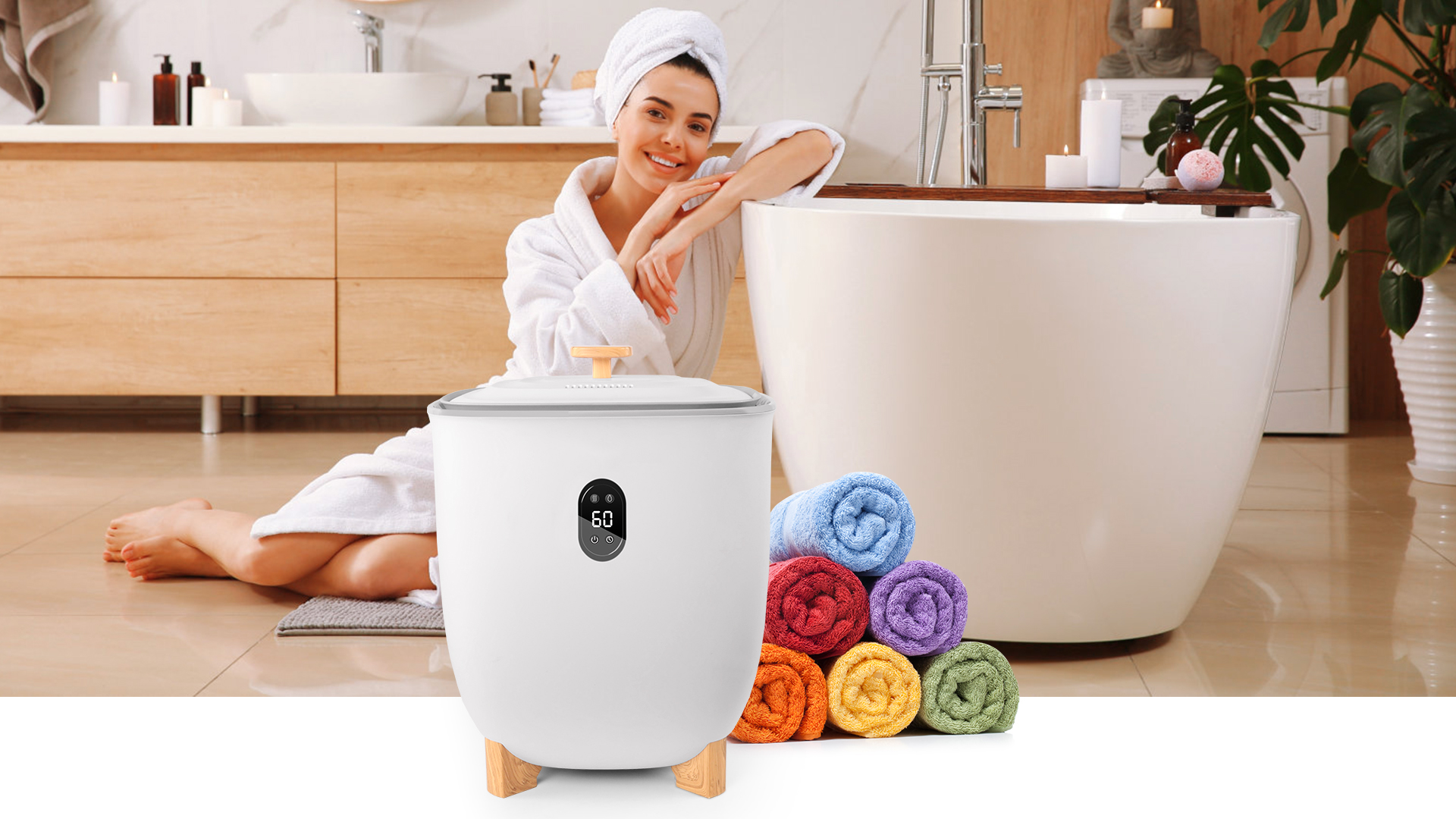
Fiber Protection and Material Longevity
High-quality towels represent a significant investment. When equipment overheats or underheats towels, fiber damage occurs. Damaged fibers trap moisture and bacteria more easily. Fast-thermal towel warmers use balanced heat that warms thoroughly without harming material integrity.
Because warming cycles remain controlled, fibers retain their softness. They also absorb less residual moisture. Both qualities support long-term hygiene. Fresh-feeling towels also improve client experience, which contributes to trust and loyalty.
Additionally, maintaining towel quality reduces replacement frequency. Since towels remain in better condition, businesses spend less on new inventory. Cleaner towels also maintain better scent retention, which further enhances the hygienic atmosphere.
Advanced Thermal Sensors and Safety Assurance
Many fast-thermal towel warmers use advanced sensors. These sensors maintain stable temperature levels and prevent overheating. Safety matters because improper heat can damage towels or create fire hazards. Sensor-controlled systems eliminate those risks.
Moreover, consistent safety performance increases staff confidence. They rely on the device to support hygiene without creating new hazards. This trust helps them focus on service quality instead of equipment monitoring.
Additionally, stable sensors support compliance. Many industries require temperature verification for hygiene equipment. Since fast-thermal systems regulate heat precisely, they align with certification standards.
Supporting Multi-Industry Professional Hygiene Standards
Fast-thermal towel warmers provide benefits across sectors. In salons, they support hair services, facial treatments, and chemical procedures. Warm, clean towels prevent irritation. They also help remove products gently.
In spas, they enhance massage workflows. Warm towels prepare muscles, improve client comfort, and deliver a premium experience. Spas also rely on strict hygiene, making fast-thermal systems essential.
In clinics, the importance grows. Medical spaces depend on sanitized textiles. Although towel warmers do not replace sterilization, they support post-wash hygiene. Stable high heat lowers microbial activity and protects patients.
Furthermore, hospitality venues rely on heated towels to elevate guest experience. Because guests expect clean and fresh textiles, fast-thermal systems support consistent service delivery.
Thermal Penetration and Microbial Reduction
While many devices heat surface layers, professional fast-thermal systems ensure thermal penetration. Deep heat transfer matters because microbes may remain in internal fibers. Proper penetration disrupts bacterial survival more effectively.
Additionally, consistent thermal depth improves towel feel. A towel heated thoroughly provides better comfort. In wellness sectors, comfort influences satisfaction. Therefore, thermal penetration supports both hygiene and experience.
Reducing Odor Formation Through Thermal Control
Odor often results from microbial growth. Towels that remain damp or partially warm develop unpleasant smells. These odors signal hygiene issues. Fast-thermal towel warmers reduce odor by controlling moisture and temperature. This control disrupts microbial conditions that create odor compounds.
Consequently, towels stay fresher longer. Staff need not replace them frequently. This efficiency improves resource use while maintaining hygiene standards.
The Psychological Impact of Clean Warm Towels
Clients often associate warmth with comfort and safety. When towels feel warm and fresh, clients perceive higher hygiene standards. This perception creates emotional trust. In many professional environments, client comfort influences return visits. Clean, warm towels contribute to that comfort.
Additionally, warm towels calm clients before treatments. Psychological comfort reduces anxiety and enhances the overall experience.
Conclusion
Fast-thermal towel warmers offer more than convenience. They serve as essential hygiene devices for professional spaces. Through rapid heating, stable temperature control, moisture reduction, and contamination prevention, they create safer environments. They also support workflow consistency, energy efficiency, towel longevity, and client trust. Because every professional space requires strict hygiene control, investing in a fast-thermal towel warmer improves both sanitation and service quality.
By understanding the hidden benefits, businesses can elevate their hygiene practices and strengthen their professional reputation.