1. The Modern Kitchen’s Unsung Hero
In today’s pursuit of clean, efficient kitchens, food waste disposers have become essential. They eliminate organic waste instantly, reduce odors, and contribute to eco-friendly waste management. Yet, homeowners often raise one question: Will stainless steel parts inside a disposer corrode due to food residue?
The answer lies in understanding both the material science behind stainless steel and the environmental conditions inside a disposer. Modern units are built for durability and sanitation. Among the materials used, stainless steel stands out as the benchmark for longevity and hygiene.
At its core, a food waste disposer must grind tough organic matter—bones, vegetable peels, or fibrous waste—while enduring moisture, acidity, and constant friction. This demanding environment calls for a material that resists rust, maintains strength, and preserves cleanliness. Stainless steel achieves all three.
2. The Science Behind Stainless Steel Durability
The exceptional performance of stainless steel in food waste disposers comes from its composition. Stainless steel is an alloy that contains iron, chromium, and other elements like nickel and molybdenum. The magic lies in chromium—it forms a thin, invisible oxide layer on the surface that protects the metal from oxidation.
Even when exposed to water, heat, and acids from food waste, this passive layer regenerates itself. This means that minor scratches or wear do not expose the metal to corrosion. In short, stainless steel heals itself at the microscopic level, ensuring it resists rust and staining over years of heavy use.
In comparison, aluminum or standard steel chambers may corrode or discolor when repeatedly exposed to acidic substances like citrus or vinegar. This is why high-end food waste disposers increasingly rely on stainless steel for grinding components and inner chambers.
 3. Food Residue and Its Corrosive Potential
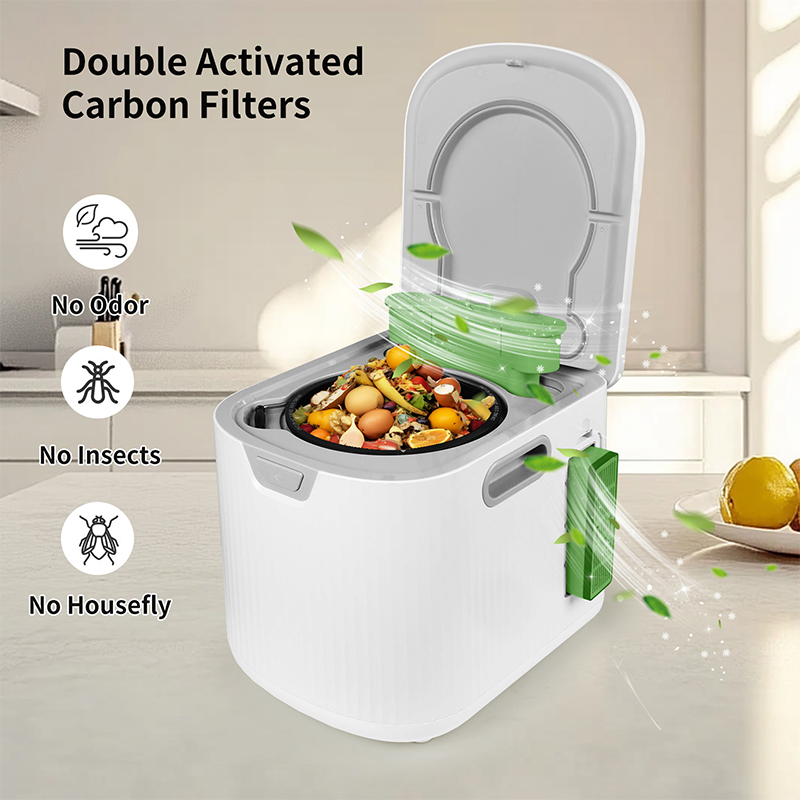
Food residue left inside a disposer can create a moist, acidic environment. Left unattended for days, organic matter decomposes and releases acids, potentially affecting metal components. However, stainless steel is designed to withstand such exposure.
The key factor here is maintenance and material quality. In disposers made with premium-grade stainless steel, such as 304 or 316 stainless steel, the chromium oxide film offers robust protection even under harsh conditions. These grades resist not only water but also organic acids, making them ideal for continuous kitchen use.
Moreover, most modern food waste disposers employ a self-cleaning mechanism. When water runs through the chamber during operation, it flushes away residual waste, minimizing buildup. Combined with the smooth, non-porous nature of stainless steel, this design prevents corrosion-inducing residue from adhering to the surface.
4. Comparing Material Options: Stainless Steel vs. Other Metals
When selecting a food waste disposer, the choice of grinding material directly affects performance and longevity. Stainless steel offers several clear advantages over alternatives like galvanized steel or plastic.
Galvanized steel may initially resist corrosion but eventually loses its protective zinc layer, exposing the base metal to rust. Plastic components, though immune to corrosion, lack the mechanical strength and sharpness needed for grinding fibrous food waste.
Stainless steel, on the other hand, provides the perfect balance of strength and resistance. It can withstand mechanical impact, high-speed rotation, and exposure to liquids without degradation. Over time, this results in quieter operation, cleaner interiors, and fewer maintenance issues.
5. Temperature, Moisture, and Their Role in Corrosion
Temperature and humidity play key roles in corrosion development. Inside a food waste disposer, conditions often fluctuate rapidly—from cold rinsing water to warm, moist steam. Ordinary metals expand and contract, leading to surface cracks where corrosion begins.
Stainless steel’s stability under temperature variation makes it the ideal material for this application. Its coefficient of expansion is low, which means it maintains its structural integrity even with frequent use. Additionally, it is non-reactive to alkaline detergents, ensuring compatibility with cleaning agents commonly used in kitchens.
This combination of thermal stability and chemical resistance ensures that stainless steel components maintain their integrity for years, even when exposed to harsh kitchen environments.
6. Hygiene Benefits: Why Stainless Steel Enhances Kitchen Safety
Beyond corrosion resistance, stainless steel also contributes to a cleaner, more hygienic kitchen. Its smooth, polished surface prevents bacteria from settling and growing. Unlike porous materials, stainless steel does not absorb odors or food particles.
This makes it particularly valuable for food waste disposers, where hygiene is critical. As water and food fragments pass through the grinding chamber, stainless steel’s non-stick surface allows for efficient rinsing. Residue drains easily, preventing bacterial buildup and unpleasant smells.
For households focused on cleanliness and safety, stainless steel offers both aesthetic and functional benefits. It embodies the modern kitchen’s demand for hygiene without compromising durability.
7. Maintenance Practices to Preserve Stainless Steel Longevity
Even though stainless steel resists corrosion, proper care enhances its lifespan. Users can maintain performance by running cold water during grinding, avoiding harsh chemicals, and regularly flushing the chamber with mild detergent.
Using ice cubes or citrus peels occasionally helps clean the blades and neutralize odors. These practices complement the inherent durability of stainless steel, ensuring that the food waste disposer continues to perform efficiently for years.
Additionally, leaving the disposer dry between uses prevents unnecessary moisture exposure. While stainless steel resists oxidation, a dry environment minimizes the presence of residue that could eventually affect performance.
8. Technological Advancements in Stainless Steel Disposers
The latest food waste disposers incorporate advanced stainless steel engineering. Manufacturers are optimizing blade geometry, polishing techniques, and noise insulation to deliver not just durability but comfort.
Precision-balanced stainless steel rotors reduce vibration, creating smoother and quieter operation. Improved sealing systems prevent water intrusion into electrical components, extending the overall device lifespan.
Some models now use hybrid chambers—stainless steel interiors combined with reinforced composite exteriors—for better sound insulation and weight reduction. These innovations ensure users enjoy reliable performance without sacrificing convenience.
Moreover, smart disposers integrate sensors that detect waste load and adjust motor speed, optimizing energy consumption and reducing strain on stainless steel parts. This intelligent approach further minimizes wear, making corrosion concerns nearly obsolete.
9. Environmental Perspective: Sustainability and Recyclability
Stainless steel is not only durable but also sustainable. It is 100% recyclable without loss of quality. This makes it a responsible choice for eco-conscious consumers who value environmentally friendly kitchen appliances.
Unlike coated or composite materials, stainless steel maintains its integrity throughout recycling processes, allowing it to be reused in new manufacturing cycles. Combined with the waste-reducing function of food disposers themselves, this creates a full circle of sustainability—reducing both kitchen waste and material waste.
In a world increasingly focused on green living, stainless steel food waste disposers stand as a practical example of long-term, sustainable design.
 10. Common Myths About Stainless Steel Corrosion
Many misconceptions surround stainless steel and corrosion. Some believe that discoloration or stains indicate rust. However, these are often the result of mineral deposits or food residues rather than metal decay.
Regular cleaning removes such superficial marks without compromising the material. The protective chromium oxide layer remains intact unless damaged by harsh abrasives or prolonged neglect.
Another myth suggests that stainless steel corrodes faster when exposed to salt or acid. While excessive exposure can cause minor pitting, household food waste conditions rarely reach such extremes. Modern alloys are specifically designed to handle these challenges, ensuring long-term resistance.
11. Why Stainless Steel Defines Modern Disposer Quality
In today’s competitive market, stainless steel has become synonymous with reliability. Premium food waste disposers use stainless steel for every critical component—grinding blades, impellers, and chambers. This material ensures long-term performance and consumer trust.
Manufacturers highlight stainless steel not just for marketing, but because it delivers tangible benefits. It reduces maintenance costs, extends lifespan, and upholds hygiene standards. For consumers, this means fewer replacements and consistent operation year after year.
When combined with efficient motors and intelligent sensors, stainless steel transforms the humble food waste disposer into a sophisticated kitchen appliance designed for daily performance.
Conclusion: Stainless Steel—The Durable Standard
The question of whether stainless steel corrodes inside a food waste disposer can be confidently answered—no, not under normal use. Its chemical stability, self-healing surface, and hygienic properties make it the most reliable material for long-term operation.
Even when exposed to moisture, food acids, and temperature changes, stainless steel maintains its integrity. With minimal maintenance, it continues to perform efficiently, offering users peace of mind and lasting value.
As kitchens evolve toward smarter and cleaner systems, stainless steel remains the foundation of durable design. It represents the perfect balance between engineering precision, sustainability, and user confidence.
In essence, stainless steel is not just resistant—it is resilient. Within every rotation of a food waste disposer, it proves why the most durable choice is also the smartest one.